
1-16-26
The legend of the Sultan's Palace, also known as the Gardette-LePrete House at 716 Dauphine Street in New Orleans' French Quarter, is one of the city's most infamous ghost stories, revolving around a mysterious massacre in the 19th century.
Built in 1836 by dentist Joseph Coulon Gardette and later sold to wealthy merchant Jean Baptiste LePrete in 1839, the elegant mansion features ornate wrought-iron balconies and has since been converted into apartments.
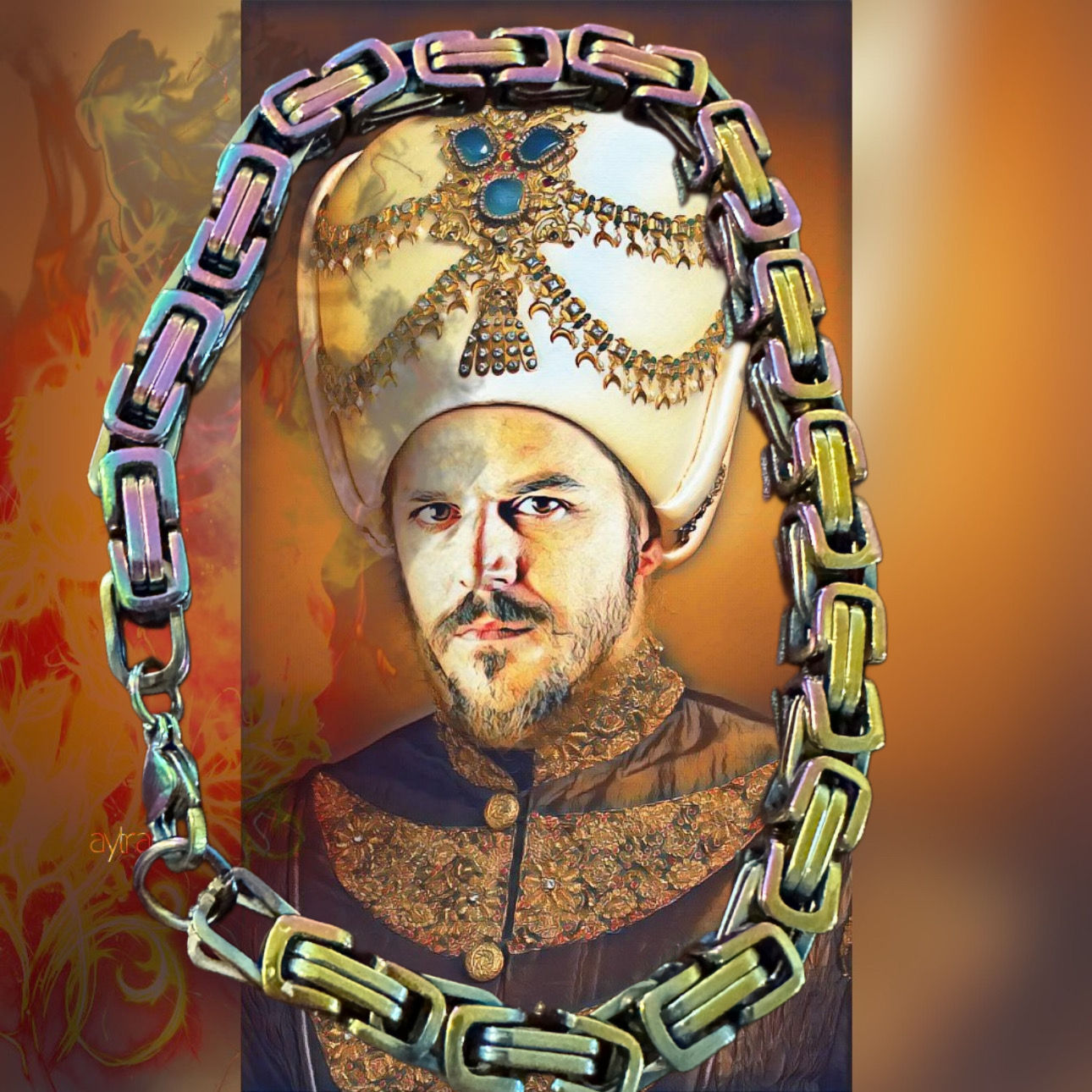
According to the legend, the "Sultan" was not an actual sultan but the exiled or fugitive younger brother of the Ottoman Sultan (possibly Ahmed III, Selim III, or Mahmud II, depending on the version's timeline).
He was a wealthy, enigmatic Middle Eastern man who arrived in New Orleans by ship, dressed in Turkish attire, and leased the mansion from LePrete during a period of financial strain for the owner (often placed post-Civil War in the 1860s).
Accompanying him was a lavish entourage: several veiled women from his harem clad in silks and satins, armed eunuch guards in dark military uniforms with bayonets, servants, family members, and trunks filled with opulent furnishings like Persian rugs, vases, portraits, jewels, and beds.
He paid in gold and quickly transformed the home into a secretive pleasure palace, earning it the nickname "Sultan's Palace."
The household led a reclusive yet hedonistic lifestyle, hosting exclusive all-night parties behind locked doors and shuttered windows, from which locals could hear exotic music, masculine laughter, feminine giggling, and sounds of revelry.
The air often carried the scent of opium and incense wafting into the streets, fueling rumors of intrigue and debauchery, though no outsiders were ever invited.
Deliveries of goods were made discreetly, always paid for in gold, adding to the air of mystery surrounding the tenant.
The gruesome end came on a stormy night (described in some accounts as a freak thunderstorm with howling winds and lightning), when the massacre unfolded.
The next morning, a passerby (sometimes specified as a milkman or neighbor) noticed an eerie silence from the usually lively house and spotted blood trickling out from beneath the front door, dripping down the steps and pooling on the sidewalk stones.
Alarmed, authorities were called, and upon forcing entry, they discovered a horrific scene: the floors were littered with mutilated corpses, some flayed open, dismembered, or hacked to pieces with limbs strewn about, amid a heavy metallic stench of blood.
Estimates of the victims vary wildly— from a handful to as many as 48 people, including the women, guards, and servants—but no survivors were found inside.
In the courtyard, the rain-soaked ground revealed a freshly dug spot with a single muddy hand protruding from the soil, belonging to the Sultan's brother himself, who had been buried alive.
His body was exhumed, confirming he had been interred while still breathing.
One unusual item discovered was a marble tablet with Arabic engraving found near the grave, including a curse like "the date tree shall grow on the traitor's grave," and indeed, a date palm (known as the "Tree of the Dead") later sprouted there.
The perpetrators were never identified, but theories abound: some suggest it was a violent robbery by pirates from the nearby Bay of Barataria, drawn by rumors of the household's wealth.
Others point to political intrigue, with assassins sent by the actual Ottoman Sultan to eliminate his brother for treason, inheritance disputes, or to prevent scandal.
In one telling, the brother who leased the house (absent from the bodies) may have orchestrated it himself via hired killers for personal gain.
A sinister Turkish vessel was reportedly seen arriving on the stormy night, carrying "men of scowling appearance" who carried out the deed.
No arrests were ever made, and the case faded into legend.
The house has been considered haunted ever since, with over a century of reported paranormal activity.
Residents and visitors describe hearing disembodied screams, moans, footsteps running up stairs, exotic music, and girlish laughter; smelling incense or opium; seeing shadow figures, a Confederate soldier in uniform (unrelated to the legend), veiled women peering from windows, or the turbaned Sultan apparition at the foot of beds; and experiencing objects like keys disappearing and reappearing.
In 1979, a tenant's wife saw a large dark figure gliding toward her bed before vanishing.
Pets have been affected too, with one dog reportedly shoved down stairs by an invisible force.
Some accounts even blame spirits for a woman's fatal fall from a balcony.
Despite its dark lore, the mansion remains a private residence and a staple of New Orleans ghost tours. So what does this offer you? A lot! The tree still stands today. If you place something on it, ribbon, jewelry or anything it becomes a vessel. This isn’t a normal vessel but one that makes a promise once you get it. This promises you the wealth of a Sultan if you promise to look into who did the killing. You don’t have to locate who did it but try and come up with a theory. You get your wealth and also spirits that will show you what happened. They get a promise that you will look into it. The first time I went was many years ago. Everything I was looking at faded away. All I could see was the two marble or concrete steps and dark blood running down them. Immediately I had visions of the past. The energy of that place is heavier than the LaLaurie mansion is you can believe that! There are some places better than others as far as the haunting or supernatural goes, this is one of them. This was only tested for wealth and spirit communication. 100 percent of!!!!
I have two of these. They are large bracelets and will fit anyone.when you are done with them they will help you communicate with other spirits.
